


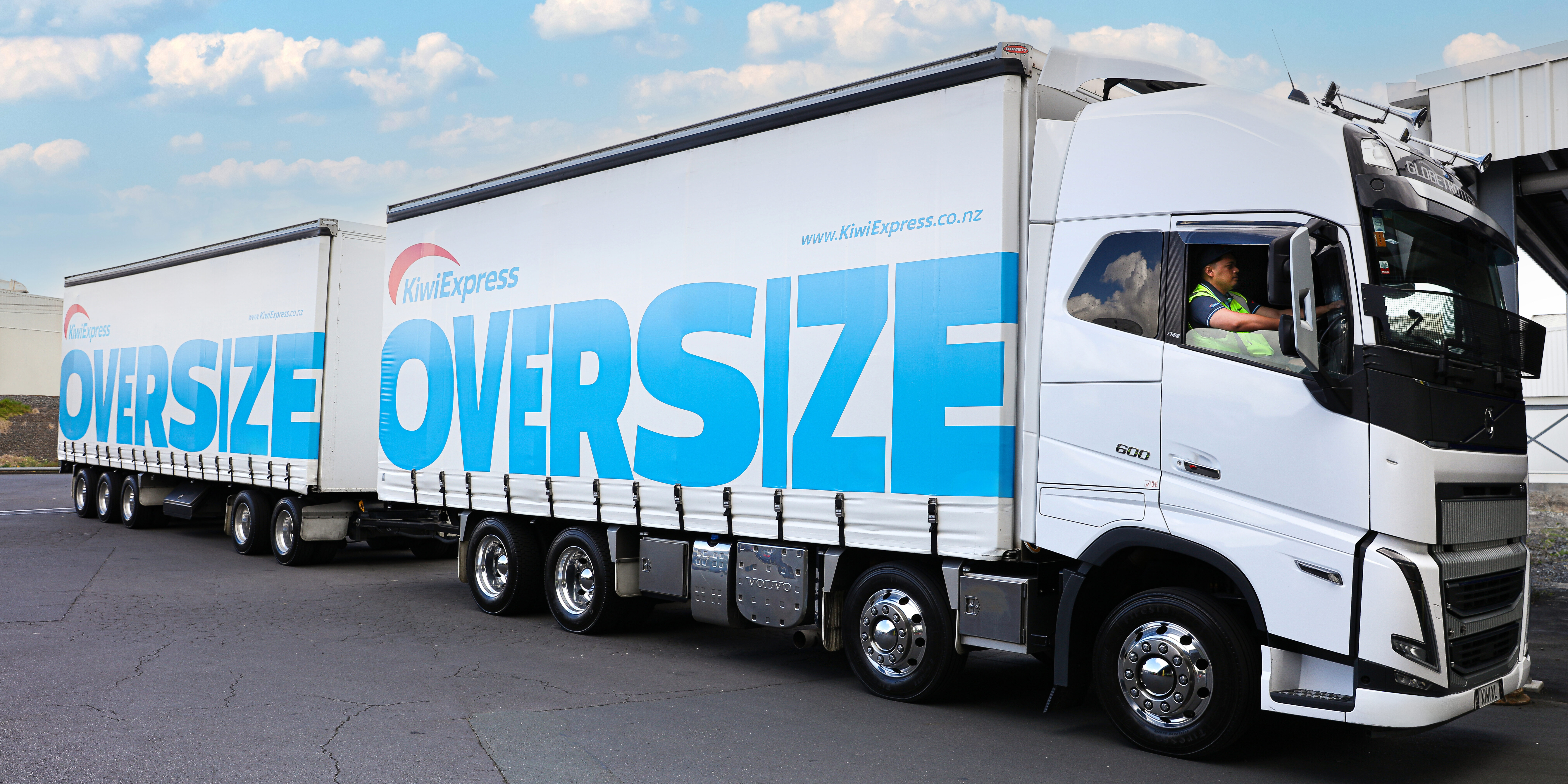
If you need to send a big delivery in NZ, the confusion usually starts here:
Too big for a courier.
Too small for pallet freight.
And you’re stuck in between.
Whether it’s flat-pack furniture, a bathroom vanity, automotive parts, gym equipment, surfboards or whiteware — choosing the wrong freight method quietly costs margin.
Here’s a clear breakdown of the 3 main ways to send large or bulky items in New Zealand — and where each one fits.
Standard Small Parcel Courier
-
Under 25kg, 0.125cbm
-
Under 0.125 cubic metres
-
Compact cartons
-
Standard eCommerce freight
Typical items:
-
Accessories
-
Small appliances
-
Compact boxed goods
Pros:
-
Fast nationwide coverage
-
Cost-effective for small freight
-
Automated networks
Cons:
-
Long items
-
Bulky cartons
-
Awkward dimensions
-
Heavy single units
Once your freight exceeds 25kg or becomes bulky, it often gets rejected or surcharged.
This is where many businesses run into problems.
Pallet Freight (For Heavy or Consolidated Loads)
-
Over 50kg, 0.5cbm
-
Multiple cartons consolidated
-
Warehouse-to-warehouse freight
-
Forklift-access sites
Typical items:
-
Bulk stock transfers
-
Heavy machinery
-
Consolidated commercial loads
Pros:
-
Built for heavy freight
-
Stable for palletised loads
-
Good for depot-to-depot movement
Cons:
Residential surcharge
Pallet freight to residential addresses costs more because:
-
No dock access
-
Tail lift required
-
Manual unload
-
Longer service time
Slower transit
Pallet freight moves through:
-
Cross-dock depots
-
Scheduled linehaul
-
Consolidation cycles
It’s built for volume — not speed.
Single-item inefficiency
Sending one bulky item on a pallet:
-
Takes full pallet space
-
Increases forklift handling
-
Adds unnecessary touchpoints
-
Raises damage risk
Pallet freight is right for heavy loads.
But not everything bulky needs a pallet.
Large Courier / Oversized Courier (The In-Between Category)
This is where many NZ businesses don’t realise there’s a better fit.
If your freight is:
-
Up to 50kg / 0.5cbm locally
-
Up to 40kg / 0.4cbm between cities
-
Too big for standard courier
-
Too small for pallet freight
Typical examples:
-
Flat-pack wardrobes
-
Bathroom vanities
-
Automotive bumpers
-
Dumbbell sets
-
Surfboards
-
Whiteware under 50kg
-
Doors
Pros:
Built for awkward sizes
Designed specifically for items that don’t fit standard courier limits but aren’t pallet freight.
Faster than pallet freight
-
Overnight North Island
-
2–3 days inter-island
Fewer touchpoints
Residential-friendly, significantly cheaper residential delivery surcharge
Uses the Freightways / New Zealand Couriers network
National coverage with courier-style transit times, not truck schedules.
Cons:
Not for heavy freight over 50kg
Not for bulk consolidation
One-man delivery model
Items must be suitable for safe one-person handling, very fragile or oversized pieces may need alternative services.
How Kiwi Oversize Works
-
1-man delivery model
-
Large courier category
-
Built for bulky single units
-
Uses the NZ Couriers / Freightways network
-
Overnight North Island
-
2–3 days inter-island
It’s essentially a large courier service — not pallet freight.
And that matters.
Because fewer pallet-style forklift transfers means:
-
Fewer touchpoints
-
Lower compression risk
-
Less stacking pressure
-
Lower damage rate
Quick Checklist: Which Option Should You Use?
Use small courier if:
-
Under 25kg, 0.125cbm
-
Compact
-
Not awkward
Use pallet freight if:
-
Over 50kg, 0.5cbm
-
Consolidated
-
Warehouse-to-warehouse
Use large courier / oversized courier if:
-
Over 25kg, 0.125cbm, and under 50kg, 0.5cbm
-
Too big for small courier
-
Doesn’t justify using a whole pallet
- Save cost on residential delivery surcharge
- Needing courier speed
That in-between, large courier gap is where a lot of cost, damage, and delay usually happens.
Final Thoughts
There isn’t one best way to send big deliveries in NZ.
There’s only the right category for your freight.
Small parcel works for small.
Pallet freight works for heavy.
Large courier fills the gap in between.
If you regularly send large, bulky items across New Zealand and you’re unsure which category fits best, have a chat with the team.


